
Introduction to Conventional Radiology
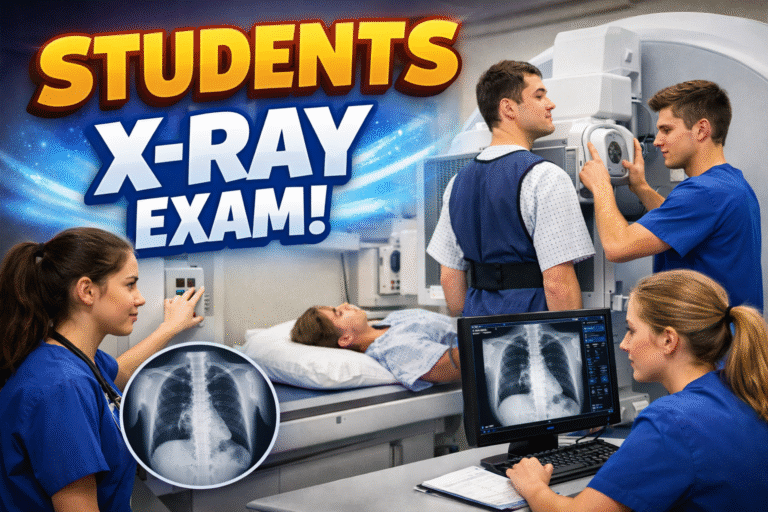
Conventional Radiology is one of the fundamental and most important branches of medical imaging that uses X-rays to visualize the internal structures of the human body for diagnostic purposes. It serves as the foundation of diagnostic radiology and plays a vital role in the identification, diagnosis, and management of various diseases, fractures, infections, and abnormalities. Conventional radiographic techniques are widely used in hospitals and healthcare institutions due to their effectiveness, accessibility, and rapid imaging results.
This subject helps students understand the basic principles of X-ray production, image formation, radiographic positioning, radiation protection, contrast studies, and interpretation of radiographic images. A strong understanding of Conventional Radiology is essential for students pursuing studies and careers in Radiologic Technology, Medical Imaging, and related healthcare fields.
The slides provided below are intended to support students in their academic learning and conceptual understanding of the subject. Students are advised to use these slides as a supplementary study resource for lecture revision, exam preparation, quick review of important topics, and strengthening theoretical concepts. For best results, students should carefully study the slides alongside recommended textbooks, classroom lectures, and practical demonstrations to develop a comprehensive understanding of the subject.
 Loading…

 Reload document
  Open in new tab
 SLIDE NO. 2
Loading…
DISCLAIMER:
These slides/materials have been uploaded solely for educational and learning purposes to facilitate students and classmates. We do not claim ownership, authorship, or any intellectual property rights over the content. All credit belongs to the respective creator(s), tutor(s), institution, or university.
This material is shared without any commercial intent, and we are not earning or generating any profit from it. If the original owner or concerned authority has any objection regarding the uploaded content, kindly contact us for immediate review or removal.